Cradle: The promise of AI for protein modification
Can an Amsterdam-based biotech company become the next ASML? Using Cradle’s AI software, scientists are modifying proteins more efficiently. This leads to new drugs being developed more quickly. Co-founder Elise de Reus believes that Cradle’s biggest breakthroughs are yet to come.
When people think of proteins, many think of sports nutrition or the protein bars you find at the supermarket. But a protein is much more than that. As biological molecules, they are present in every cell of every living organism. In fact, there are vast numbers of them—an average cell contains about 42 million proteins.
With an average size of 3 to 6 nanometers, a protein is a whopping 30,000 times smaller than the diameter of a human hair. But no matter how small they are, they are indispensable. If a cell were a factory, proteins would be the workers on the job. For example, they convert nutrients into energy, determine the cell’s structure, and regulate which substances enter and leave a cell.
Proteins help protect our bodies against diseases. For example, antibodies (a type of protein produced by your immune system) recognize foreign bacteria or viruses and neutralize them. That is why proteins are widely used in medicines. They can be designed for a specific purpose. For example, they can bind to a cancer cell while leaving healthy cells alone.
AI software for protein modification
What does Cradle have to do with this? Cradle develops AI software that enables biologists to improve proteins—also known as protein modification. After all, the faster researchers develop the right proteins, the faster new medicines—as well as sustainable products—can reach the market.
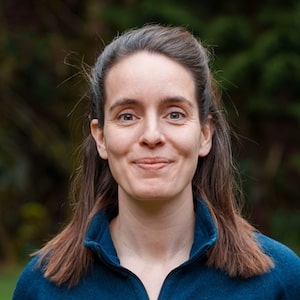
Elise de Reus – Cradle
Elise de Reus,
“You can think of proteins as chains of tiny beads—amino acids,” explains Elise de Reus. “These chains fold into a specific shape, which determines what the protein does. By changing the beads, you can also change the protein’s properties.”
Which beads should you modify? The number of possible combinations is enormous. Traditionally, researchers test variants in the lab and refine their design based on the results.
But as you can imagine, given the endless possibilities, this is a process that takes a lot of time and money. Moreover, it is by no means always successful. That is why technology and AI hold such great promise in this area.
Better hypotheses
De Reus had already noticed this when she was working as a biologist in the lab herself. She experimented with robots and automation to be able to conduct more research. But that wasn’t enough. “Above all, we wanted to develop better hypotheses.”
Through her co-founders Jelle Prins, Stef van Grieken, Harmen van Rossum, and Eli Bixby, she became familiar with the rapid developments in AI. “When we started Cradle, it wasn’t at all clear what AI was capable of. It was, in itself, one big experiment.”
The Dutch-Swiss company Cradle was founded in 2021 and has an office in Amsterdam. By the end of 2024, it had raised a whopping $73 million in a Series B funding round, bringing its total funding to over $100 million.
There’s a good reason for that. The market for protein modification and manipulation is experiencing strong growth and is currently estimated at $4.25 billion. Fortune Business Insights, among others, expects that market to more than triple by 2034, reaching $14.46 billion. The emergence of AI for the targeted modification of protein structures is cited as a key driver, while high technical complexity and scalability are said to be the biggest barriers.
AI sees what researchers overlook
What makes Cradle unique is that the models aren’t trained on human language, but on the language of proteins. A researcher specifies which protein they’re working with and what they want to improve. The model then predicts what modifications are needed to achieve that. Sometimes with surprising results: “We’ve seen projects where our models suggested variants that researchers thought, ‘We might as well skip those.’ And then it turned out that one of those variants was actually among the best results.”
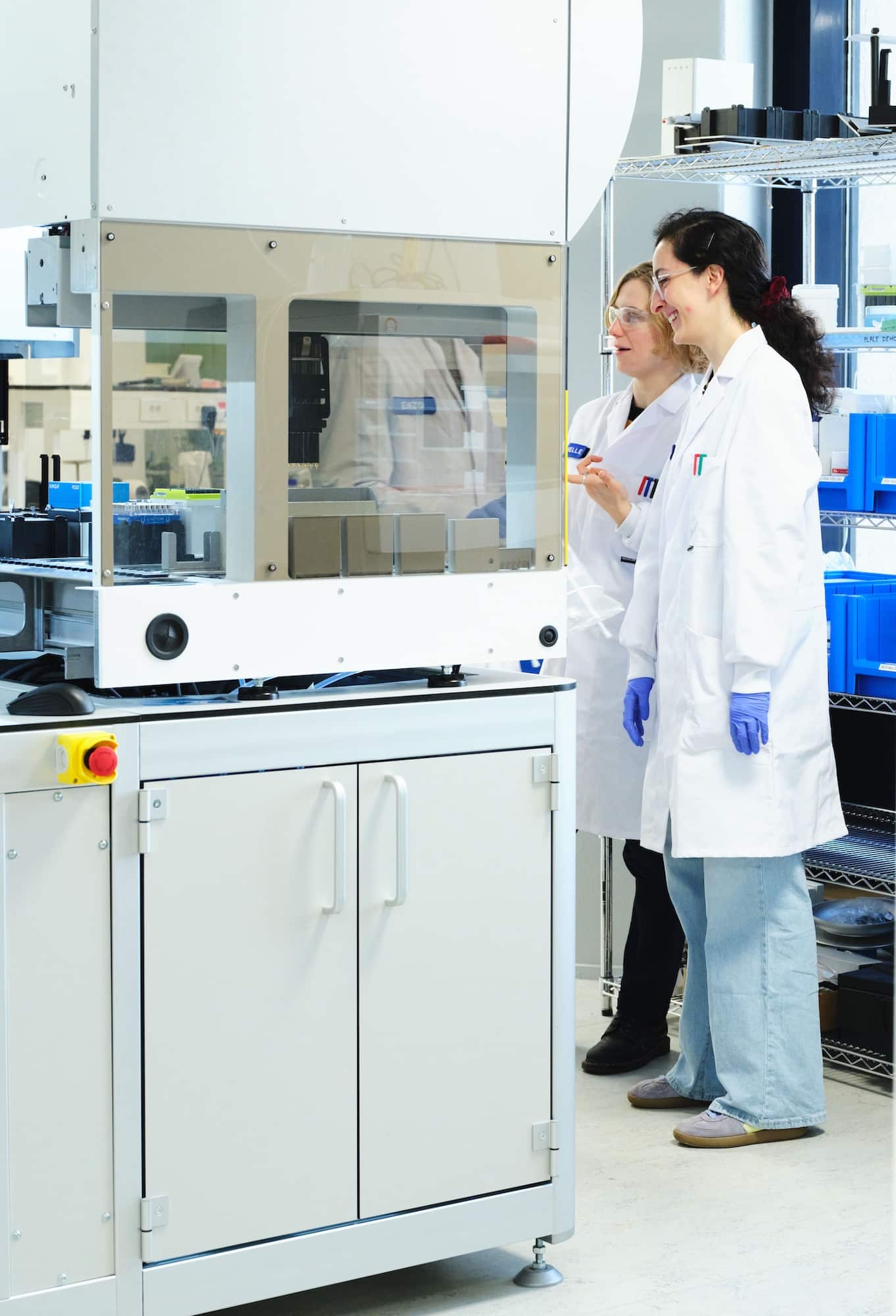
Cradle lab 2
According to De Reus, there are projects in which researchers were able to work one and a half to twelve times faster with Cradle than with traditional methods. That can make a big difference in an industry where research often takes years. Still, that doesn’t mean the computer will render the laboratory obsolete. “It remains important for researchers to actually test the predictions. That human validation will also remain.”
Less Vulnerable Trees for Vaccine Production
One example is a project involving molecules that are important for malaria vaccines. This molecule is currently extracted from the bark of trees in vulnerable nature reserves in Chile. Worldwide, about 10,000 of these trees are needed to meet the demand.
A research group is working on an alternative: having yeast produce the molecule using enzymes. As proteins, these enzymes accelerate a reaction without altering the composition. “Instead of relying on a vulnerable tree, you can then produce the molecule in a sort of mini-brewery.”
Because of its broad applicability, Cradle works not only with large pharmaceutical companies, but also with startups, universities, and nonprofits. “Our motivation is to make as much of a positive impact as possible. We want to accelerate as many research programs as possible, even if they may be less commercially attractive.”
The region attracts talent, but still has room to grow as a biotech hub
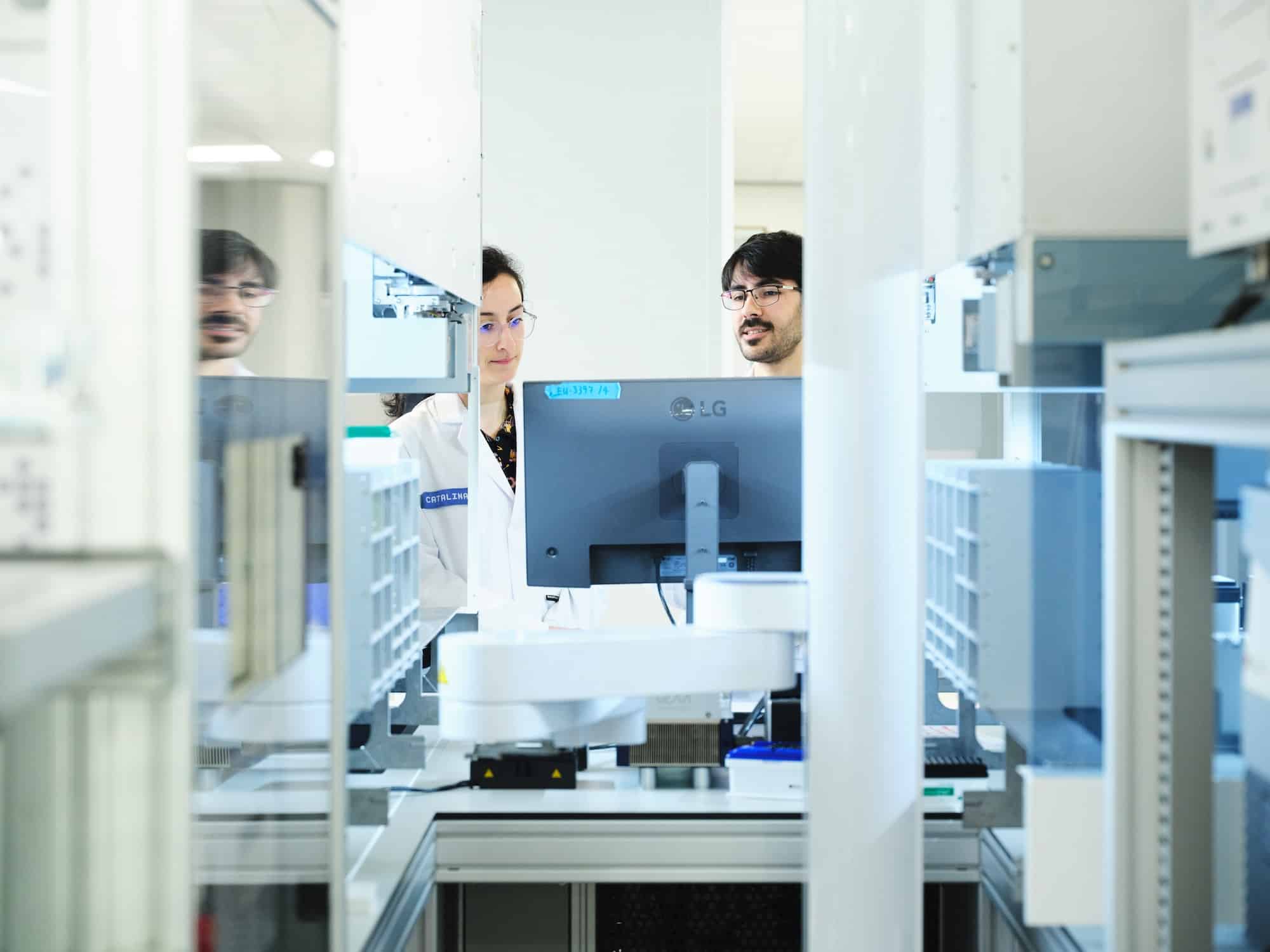
Cradle sees itself as a global company with a European base. The company got its start in Delft and Zurich but moved to Amsterdam two years ago.
The reason: the universities and the diverse pool of software and technology talent in the region help attract employees.
In addition, Cradle has opened a new office in Boston, a logical step given that many of its major clients are based there. This is consistent with the company’s early days: when Cradle first started, many of its first clients were not from the Netherlands, but from the United States.
“The region is easily accessible, has strong international connections, and offers a high quality of life. There’s an ecosystem here, but it could be much stronger.” She points to the fintech sector, where companies like Adyen and Mollie have helped build a larger community of entrepreneurs and investors. In biotech, this has yet to take off.
“If Amsterdam wants to be among the world’s leaders in biotech, there are still steps to be taken”
“To me, a strong ecosystem is a place where you can ride your bike through a neighborhood and recognize organizations everywhere that work in the same field.” Companies strengthen each other when they exchange talent and knowledge. “That’s why it’s so important to have multiple ambitious companies where people can grow and take the next step.”
If Amsterdam wants to be among the world’s leaders in biotech, De Reus says more steps are needed: more growth capital, a stronger network of companies and investors, and educational institutions that are open to international students and internships. “It would be great if, as a region, we could clearly convey the message: foreign talent, you are welcome here. You will help strengthen our economy.”
The text continues below the image.
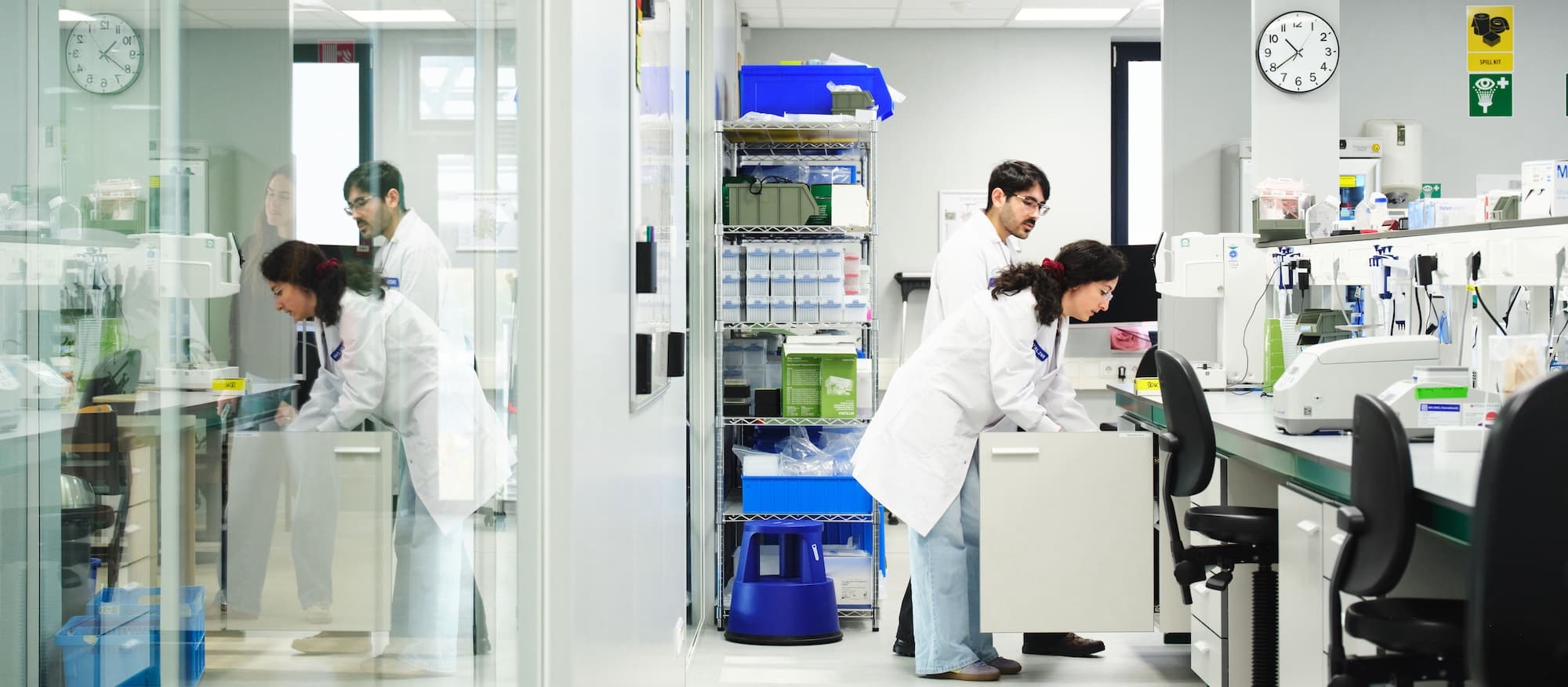
Cradle lab
The Next ASML?
The ambition to one day build a company on the scale of ASML appeals to De Reus, though she adds a caveat: “We’d rather measure how many projects we’ve successfully completed than how many employees we have or how much investment we’ve raised.”
For her, the real ambition lies elsewhere: a future in which even small research teams have access to technology that allows them to develop drugs that are currently out of reach. “Imagine if a company with just five people could develop a new protein to treat a disease for which no treatment currently exists? And that this could be done with a few million euros, instead of hundreds of millions? And in a few years, instead of fifteen years?”
According to her, established companies can also contribute to this. The fact that many of the first customers came from the United States gives pause for thought: why should promising technology companies first have to gain recognition on the other side of the ocean? Her call to established companies in the Amsterdam region is therefore clear:
“Look at all the innovation around you. Support those companies and don’t be afraid to take risks.”
22 November 2026
Learn more about
Contact Us
Share this article
If you would like to stay informed,
Follow us daily on LinkedIn and sign up for the Board Update newsletter.